 The Ten Commandments: 6 – You shall not commit adultery
  The Ten Commandments: 5 – You shall not murder
  The Ten Commandments: 4 – Honor your father and mother
  The Ten Commandments: 3 – Remember to keep holy the Lord’s Day (Sunday)
  The Ten Commandments: 2 – You shall not misuse the name of the Lord your God
  The Ten Commandments: 1 – I am the Lord your God, you shall have no other gods before me
  Does Jesus Fulfill the Messianic Prophecies? Part 10 – Suffering on behalf and human sacrifice
  Does Jesus Fulfill the Messianic Prophecies? Part 9 – Resurrection of the Dead
  Does Jesus Fulfill the Messianic Prophecies? Part 8 – Restoration of the Sanhedrin and Jewish Law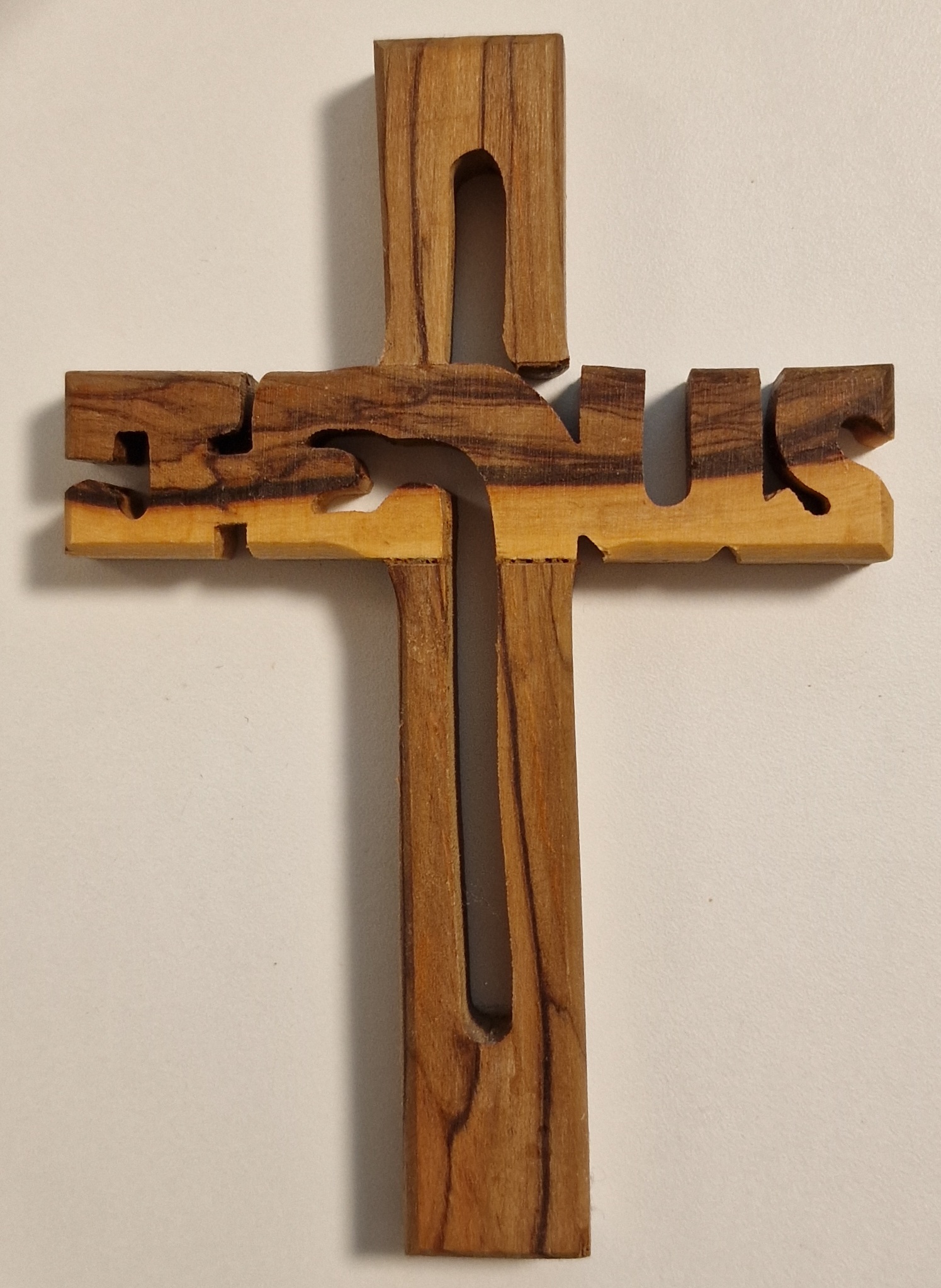
In scripture, we read the following:
“You shall not take the name of the Lord your God in vain, for the Lord will not hold him guiltless who takes his name in vain.”
Exodus 20:7
And further on, we read:
“You shall not swear by my name falsely, and so profane the name of your God”
Leviticus 19:12
As well as the following:
“Two things I ask of you; deny them not to me before I die:
Remove far from me falsehood and lying; give me neither poverty nor riches;
feed me with the food that is needful for me, lest I be full and deny you and say, “Who is the Lord?”
or lest I be poor and steal and profane the name of my God.Proverbs 30:7-9
The first two passages underline the importance of not misusing God’s name or taking it in vain. The last one warns us against the extremes of wealth and poverty, both of which can lead us to deny or profane God as in my view, we see in the current “western” society.
But why is this so important to God that He ranks it as the second commandment, and what can we do to ensure we keep it?
What does it mean to misuse one’s name
My son is 4 years old and is currently discovering some bad words. He loves to experiment with them and see the reaction in people’s faces. The more someone gets angry, the more exciting it is for him. I try to ignore it, and I know that as a child he does not mean maliciously, however, it still not feel good to hear my name followed by a word like “poop”. I can imagine that God feels similarly. If we do not respect Him, He may distance Himself from us. Do I really want that?
If one actively misuses God’s name or His symbols, I think that person will face a reckoning at the end of their life.Here are some examples I see of actively misusing God’s name:
- Representatives of God: A priest or a nun who misuses the position they were entrusted with – for example by abusing children or coercing them into immoral acts. Beyond the gravity of the physical sins, these representatives profane God’s name by acting in His stead on earth while committing evil. If they do not repent, I am sure a special place deep down in hell is reserved for them.
- Ungodly lifestyle: If someone lives in total contradiction to the commandments (e.g., stealing, killing, or infidelity) while wearing a cross—the ultimate symbol of Jesus. This person is not representing God; by wearing the symbol, they imply that God condones their lifestyle, which is a direct misuse of His name.
- Swearing: If someone swears an oath rightly or wrongly on the name of God. Jesus forbids this:
“I tell you not to swear at all, neither by heaven, because it is God’s throne, nor by the earth, because it is his footstool, nor by Jerusalem, because it is the city of the Great King. Nor should you swear by your head, because you cannot make one hair white or black. Instead, let your message be ‘Yes’ for ‘Yes’ and ‘No’ for ‘No.’ Anything more than that comes from the evil one.”
Matthew 5:34-37
Further insights and what can we do to keep this commandment
Jesus himself gives much more depth to the topic than I ever could. Below is an extract from the visions of Maria Valtorta where He addresses this commandment in a speech rather at the beginning of his official journey. He also outlines at the end what we can do to keep this commandment:
“Peace be to you all and may light and holiness come to you with peace. It is said: “You shall not take My Name in vain.”
When does one take it in vain? Only when one curses it? No. Also when one utters it without making oneself worthy of God. Can a son say: “I love and honour my father” if he does the very opposite to what his father wants from him? One does not love his father by saying: “father, father”. One does not love God, by saying: “God, God”.
In Israel where, as I explained to you the day before yesterday, there are so many idols in the secrecy of hearts, there is also a hypocritical praise to God, to which the deeds of the praisers do not correspond. There is also a trend in Israel: they find so many sins in exterior things and do not want to find them where they really are, in interior things. In Israel there is also a silly pride, an anti-human and anti-spiritual habit: the Name of our God uttered by pagan lips is considered swearing and the Gentiles are forbidden to go near the true God, because that is considered a sacrilege.
That was the situation so far. But it is no longer so… The God of Israel is the same God Who created all men. Why prevent creatures from feeling the attraction of their Creator? Do you think that heathens do not feel something in the bottom of their hearts, something unsatisfied, that shouts, stirs, seeks? Whom? What? The unknown God. And do you think that if a pagan moves towards the altar of the unknown God, to the incorporeal altar which is the soul in which there is always the remembrance of its Creator, the soul which expects to be possessed by the glory of God, like the Tabernacle erected by Moses according to the order given to him, the soul that weeps until such possession does not take place, do you think that God will reject the pagan’s offer as one rejects a profanation? And do you consider a sin the action caused by the honest desire of a soul that aroused by celestial summons says: “I am coming” to God Who says to it: “Come”, whilst you consider holiness the corrupted cult of an Israelite who offers to the Temple what is left over from his pleasures, and goes into the presence of God and mentions the name of the Most Pure One, with body and soul polluted by countless foul sins?
No. I solemnly tell you that the perfect sacrilege is committed by the Israelite who with his impure soul takes the Name of the Lord in vain. His Name is taken in vain, when you are aware, and you are not fools, that you pronounce it in vain because of the state of your souls. Oh! I see the indignant face of God which disgusted turns elsewhere when a hypocrite calls Him or an unrepentant soul mentions Him! And I am terrified although I do not deserve the divine wrath.
I read in many of your hearts this thought: “Well, with the exception of children, no one can mention God’s name, because in all men there is impurity and sin.”
No. Do not say that. That Name is to be invoked by sinners. It is to be invoked by those who feel they are choked by Satan and want to free themselves from sin and from the Seducer.
It is said in Genesis that the Serpent tempted Eve when the Lord was not walking in Eden. If God had been in Eden, Satan could not have been there. If Eve had invoked God, Satan would have fled. Always have that thought in your hearts. And call the Lord with sincerity. That Name is salvation. Many of you wish to descend into the river to be purified. Purify your hearts, unceasingly, writing upon them, by means of love, the word: God. No false prayers. No habitual practices. But say that Name: God, with your hearts, your thoughts, your deeds, with your whole selves. Repeat it that you may not be alone. Repeat it to be supported. Repeat it to be forgiven. Understand the meaning of the word of the God of Sinai: the name of God is taken “in vain” when saying “God” does not imply a change for the better. Then it is a sin. It is not taken “in vain”, when, like the beating of your hearts, every minute of your day, every honest deed, need, temptation, sorrow bring to your lips the filial word of love: “Come, my God!” Then, truly, you do not sin mentioning the holy Name of God”
Maria Valtorta, The Poem of the ManGod, chapter 121 Jesus at the „Clear Water“. „You shall not take My Name in vain.“
Summary
The Second Commandment is about more than avoiding “curse words.” It is a call to integrity. We take God’s name in vain when our lives do not match our labels—when we call ourselves “Christian” or use His name in prayer while knowingly living in sin. Ultimately, the way to honor His name is to ensure that every time we speak it, we are inviting Him to change us for the better.
(Photo by me)